
You Don't Need a Bigger Audience. You Need a Closer One
By Kat Nisson, MLIS, CPCC of RK Copywrites
Dr. K had been doing all the things people tell you to do when you're building a platform. Working with a publicist. Running Instagram ads. Placing ads in school programs and parent newsletters. She had a book manuscript that had been sitting half-finished for two years, and the general consensus was that she needed a bigger audience before it would be worth finishing.
None of these were bad moves on their own. But while she was focused on reaching people who didn't know her yet, something was happening much closer to home that she almost missed.
In a Circle community she'd started almost as an afterthought, 80 moms of autistic children were showing up consistently. Asking questions. Supporting each other. Giving feedback on her book chapters. These women were deeply invested in her work, and she hadn't yet recognized what that meant.
When she and I started working together, I asked her a question she wasn't expecting: "Who's already in the room?"
The Pull to Look Outward
It's one of the most common patterns I see. People have an engaged, loyal group right in front of them but keep looking past them, convinced that growth means reaching more people rather than serving the ones who already showed up.
This isn't about big audiences being a problem. Broad visibility matters. But the push for "more" becomes a problem when it causes you to overlook the people who are already paying attention.
Dr. K's Circle community had started as a casual space for parents to connect between appointments. She'd never charged for it. She'd never even thought of it as an asset. She'd also been spending energy trying to get dads into the group. Moms were the ones who kept coming back, and she worried that a group of "just moms" somehow wasn't enough.
Turning Toward What's Already Working
What if 80 engaged moms wasn't a limitation? What if it was the whole foundation?
We focused on the people already showing up and asked them directly: What resources would be helpful? What would you be willing to pay for?
The responses were clear and immediate. Dr. K created a paid tier within her community, and the ripple effects went well beyond that single offering. Her regular paying client roster grew because the community became a natural pathway into her clinical practice. Word of mouth started doing its thing.
The book started moving, too. Because many of these moms had already given chapter feedback and agreed to share their own stories, they had real ownership in it. The book became less a product to sell and more a business card: something that opens doors to podcast conversations, referrals, and the kind of credibility that grows organically.
Dr. K went from generating zero additional income outside of clinical sessions to earning between $30 and $80 per month per person through the paid community and book purchases. That's not a viral marketing story. But it's real, it's sustainable, and it started with the people who were already there.
The Question Worth Sitting With
Maybe you don't have 80 people in a community. Maybe your version is five clients who keep coming back, a dozen people who always reply to your newsletter, or a handful of colleagues who send referrals without being asked. The number matters less than the quality of attention. Somewhere in your orbit, there are people who already care about what you do. The question is whether you've noticed them and what you'd learn if you asked what they need next.
I wrote recently about how most of us don't need more ideas, we need better systems for expressing the ones we already have. (If you missed it: Stop Reinventing the Wheel. The same principle applies to audiences. You probably don't need more people. You may need to go deeper with the ones you've got.
Sometimes 80 people who actually care is more than enough to change the whole direction of your work. And sometimes it's even fewer than that.
––––––––––
Want to be part of a community that practices what this article preaches? The Prosper Network is where women in business show up for each other, not just in theory. Join us.
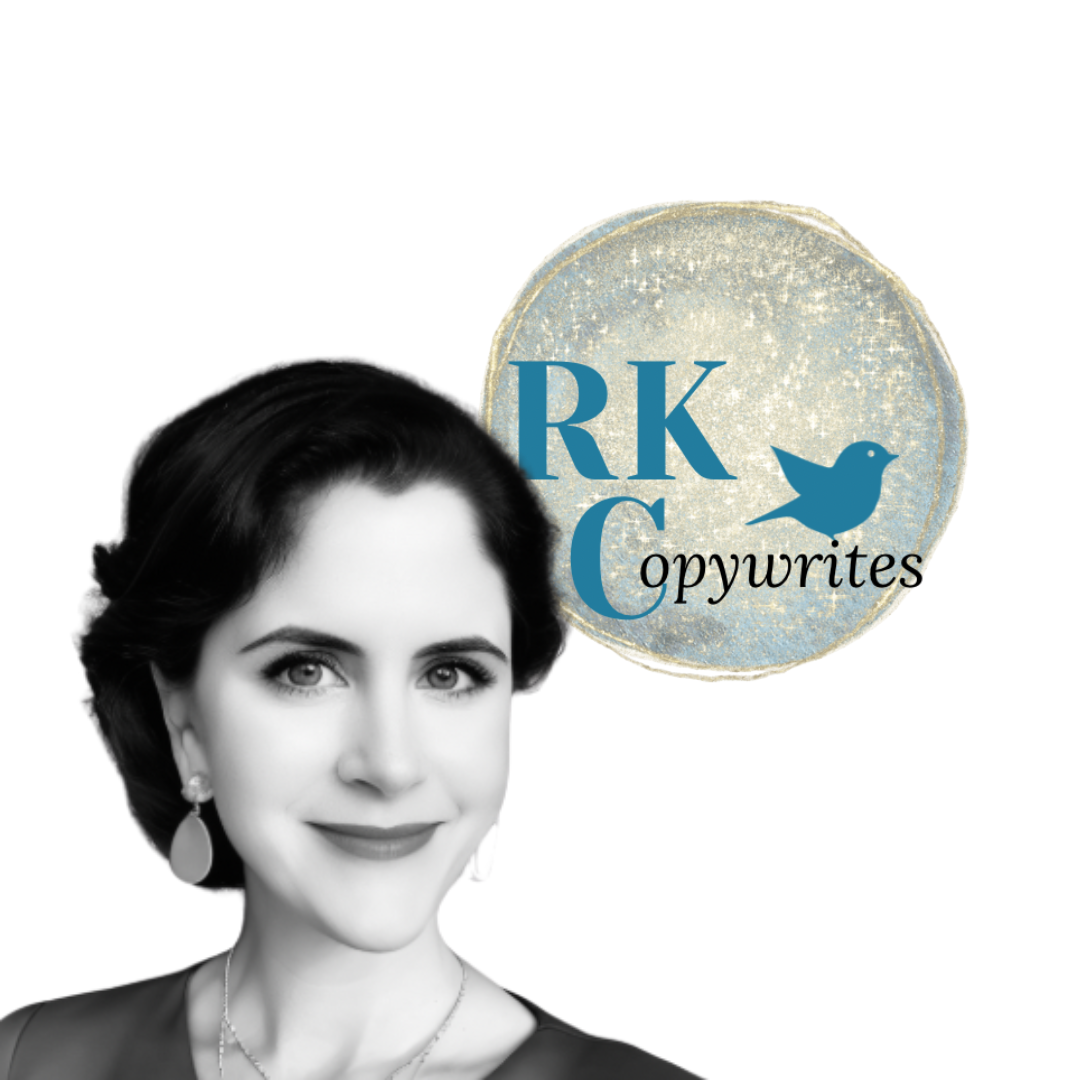
Kat is a Digital Community Architect and Strategic Content Partner who builds bridges between visionary leaders and their communities through authentic content development and strategic community design. Drawing on 25+ years of community leadership experience and her background as a former librarian and CPCC-certified coach, she helps mission-driven professionals create sustainable content systems and inclusive digital spaces without burnout on platforms like Mighty Networks, Heartbeat, Kajabi, and Circle.
You can learn more at rkcopywrites.com
Connect on LinkedIn @rk-nisson